Governance · Risk · Compliance Control
IT risk assessments made easy, while still complying with EU DORA and NIS2 requirements
GRC Ctrl covers the minimum risk management requirements EU organisations face under NIS2 and DORA — guided identification, 5×5 analysis, treatment and acceptance, third-party oversight and an auditable trail — for teams from ten people to ten thousand.
Risk scale
Analysis
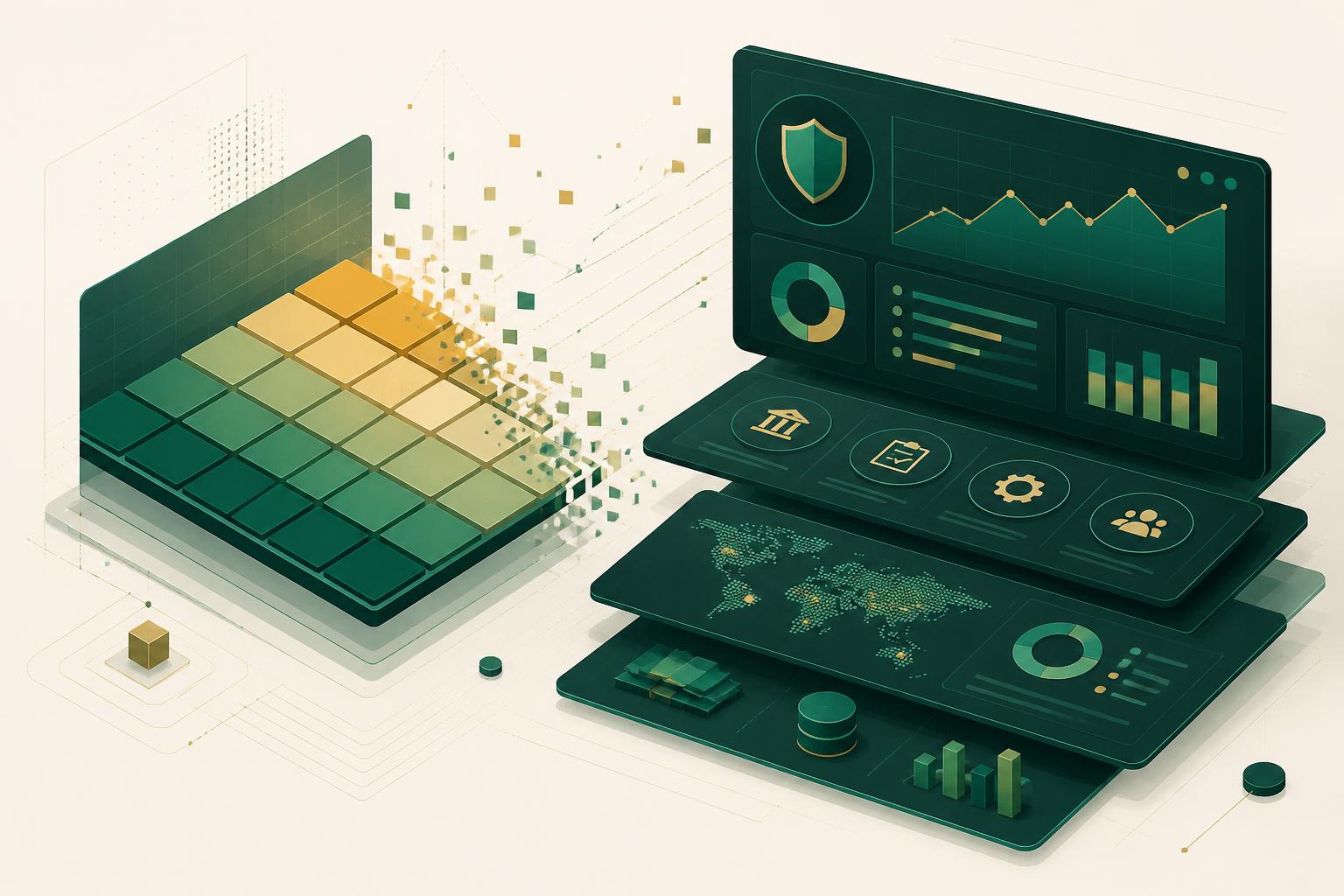
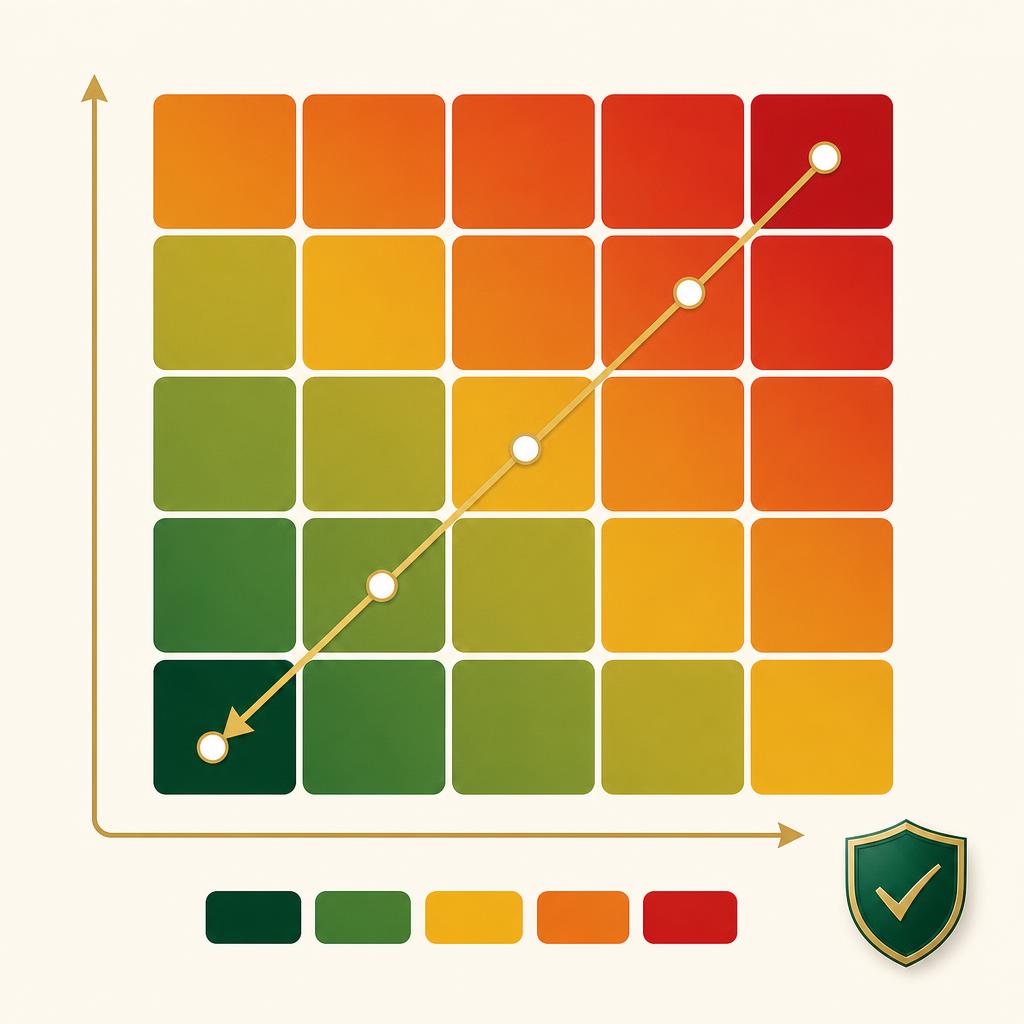
A 5×5 matrix your board can read
Likelihood × impact on a five-band scale from very low to very high, in the same colours everywhere — heatmap, register, score badges and exported reports. Inherent and residual views sit side by side so treatment effect is visible, not asserted.
Third-party risk
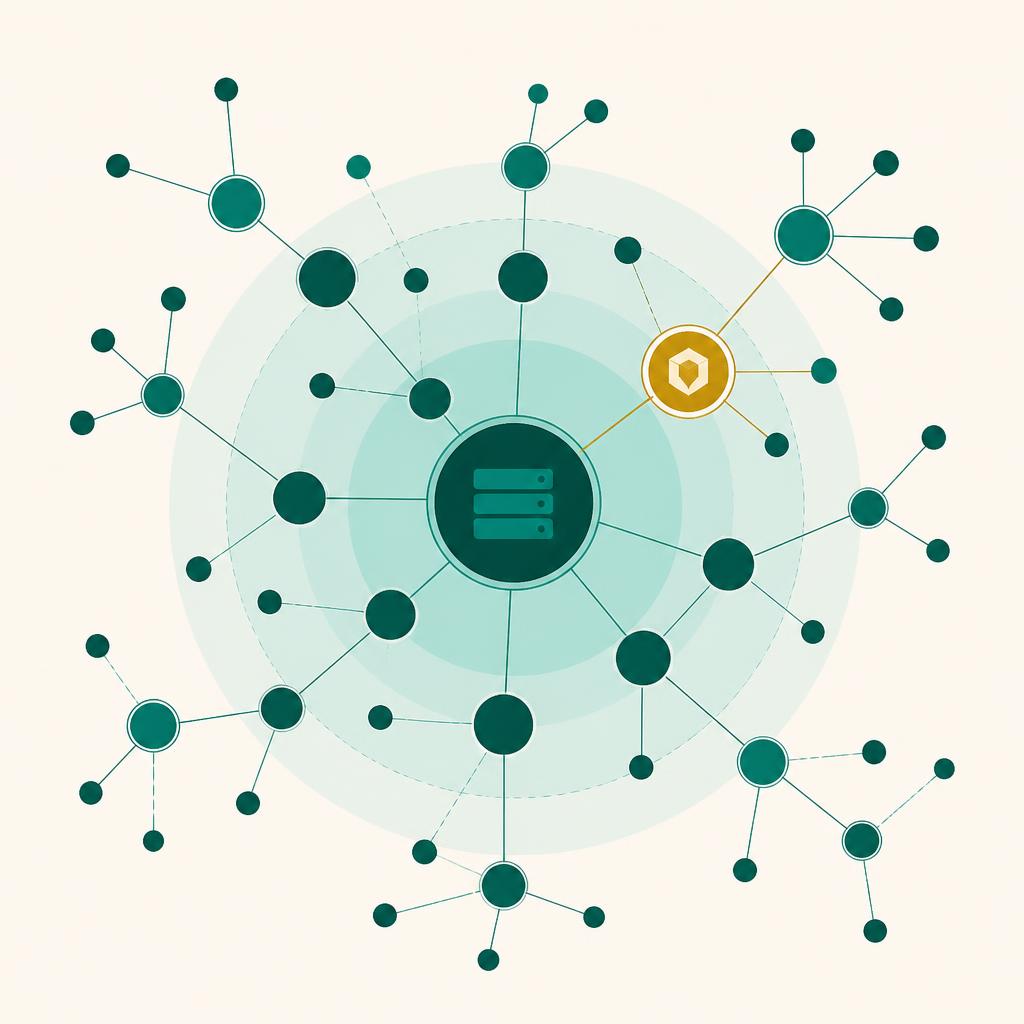
ICT suppliers, mapped and monitored
Criticality, subcontracting chains, hosting location, substitutability and exit strategy for every supplier — the structure DORA's register of information expects, ready before the regulator asks.
AI governance
AI risk aligned to the NIST AI RMF
Model type, lifecycle stage, autonomy, data provenance, trustworthiness characteristics and human oversight — assessed across GOVERN, MAP, MEASURE and MANAGE, with weak answers turned into registered risks.
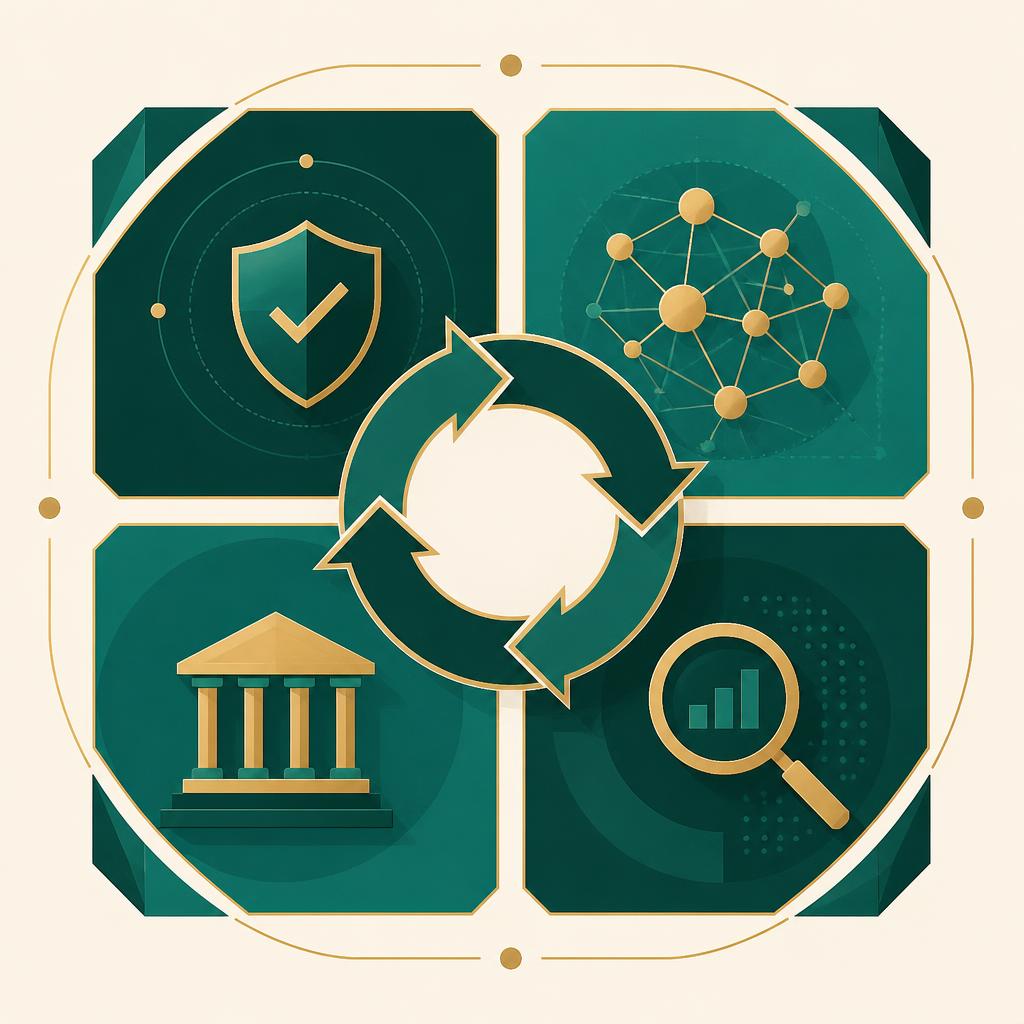
From a hunch to documented evidence, in four steps
Identify
Guided intake captures asset, threat and vulnerability.
Analyse
Score likelihood and impact on the shared 5×5 scale.
Treat
Choose a treatment, assign owners and set due dates.
Evidence
Map to NIS2, DORA and AI RMF, then export the report.
Appetite & tolerance
Know the moment exposure passes what you accept
Set the organisation's appetite once. The dashboard flags every breach, ranks the ten highest residual risks and points at the mitigations that are late — so review meetings start from decisions rather than data gathering.
AI-guided risk intake
Describe a risk in plain language. The assistant determines the category and asks only the follow-up questions that category needs.
ISO 27005 method
Asset, threat, vulnerability, existing controls, 5×5 analysis, treatment option and documented acceptance — the full chain.
ICT third-party register
Supplier criticality, subcontracting, hosting and exit strategy, structured for the DORA register of information.
NIS2 & DORA coverage
A live view of which Article 21 measures and DORA requirements have evidence, and which are still uncovered.
Per-customer isolation
Every organisation is its own tenant. Row-level policies mean no customer can read another customer's data.
Local login or SSO
Email and password out of the box, or SAML 2.0 single sign-on with Microsoft Entra ID and AD FS.
Auditable trail
Who created, edited, completed or deleted what — append-only and scoped per organisation.
Mitigation reminders
Overdue and due-soon treatment actions surfaced to owners and risk managers before review dates slip.
Five risk categories
IT asset, supplier, policy exception, business and AI risk — each with its own fields and questionnaire.
Evidence
Coverage you can show an auditor
Every risk, supplier and completed assessment can be tagged against the requirement it evidences. The compliance view then shows what is covered and what is still open — per regime, at a glance.
- NIS2 Article 21 measures
- DORA ICT risk requirements
- ISO/IEC 27005 process
- NIST AI RMF functions

Start your risk register today
Create your organisation, invite the team and document your first risk in minutes.